In 2025, Texas emerged as the state with the highest influx of new residents, surpassing all others. However, recent estimates from the U.S. Census Bureau indicate a notable deceleration in the state's growth rate, attributed to a nationwide decline in immigration.
In a significant demographic shift, the state experienced an increase of 391,243 residents from July 1, 2024, to July 1, 2025, resulting in a total population of 31.7 million. During the specified period, Texas experienced a growth rate of 1.2%, significantly surpassing the national average of 0.5%. However, this figure remains below the state's recent post-pandemic peaks.
The increase in population comprised over 167,000 international migrants, approximately 67,000 new residents relocating from other states, and an excess of around 157,000 births compared to deaths.
According to State Demographer Lloyd Potter, the recent slowdown can be attributed primarily to a significant decline in international migration.
In a recent interview with Community Impact on February 5, Potter highlighted that over 50% of Texas's population growth from 2023 to 2024 can be attributed to international migration. He stated that a significant portion of that was linked to “humanitarian immigration, or refugees,” but observed that the influx “has slowed down pretty dramatically.”
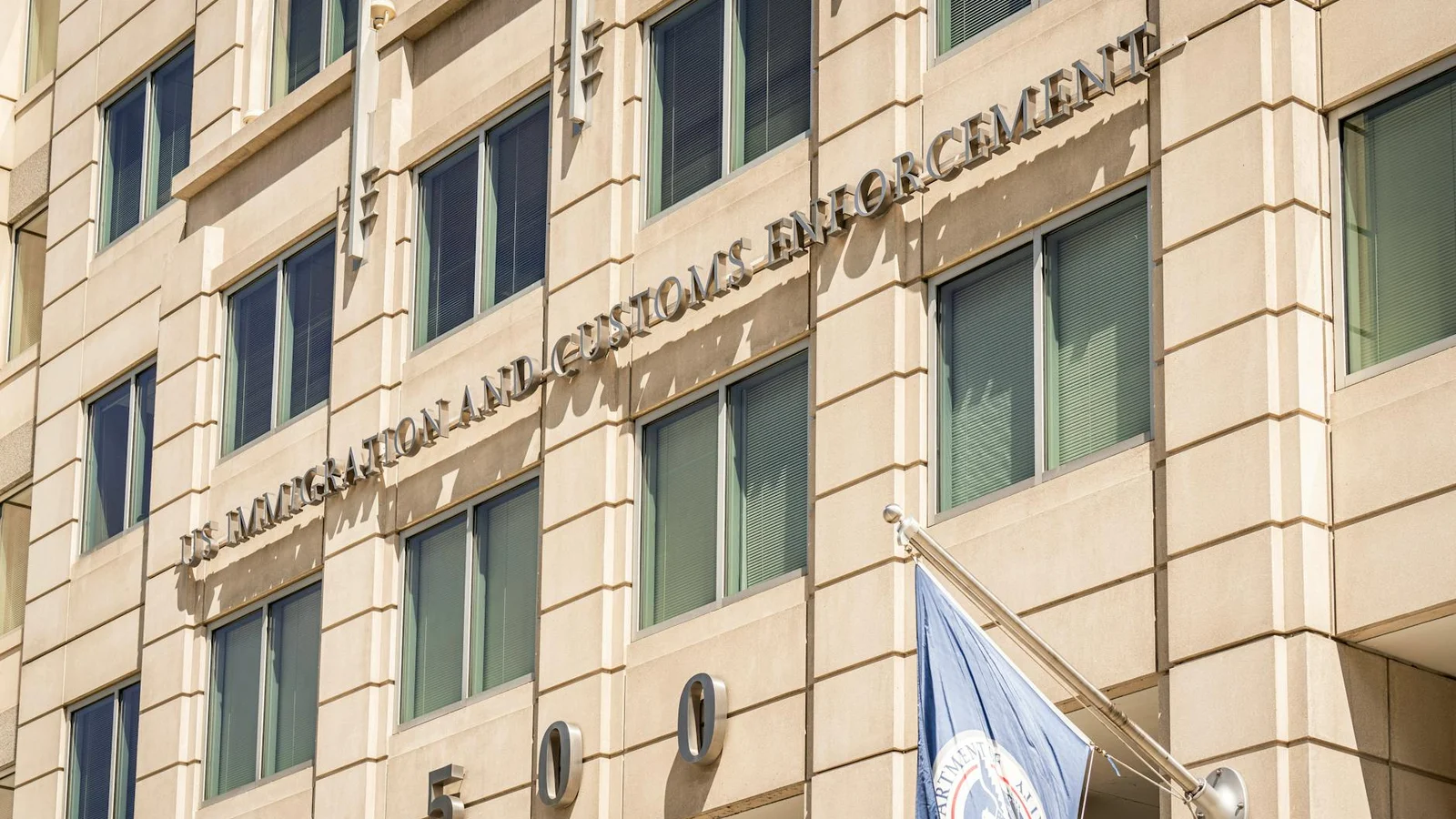
The Census Bureau has reported a significant decline in international immigration, with numbers dropping by nearly 54% last year on a national scale. In 2025, Texas saw the arrival of 167,475 new international residents, marking a significant decline of nearly 53% compared to the 354,864 recorded in 2024. The state maintained its position as the second highest in the nation for total international arrivals, trailing only Florida.
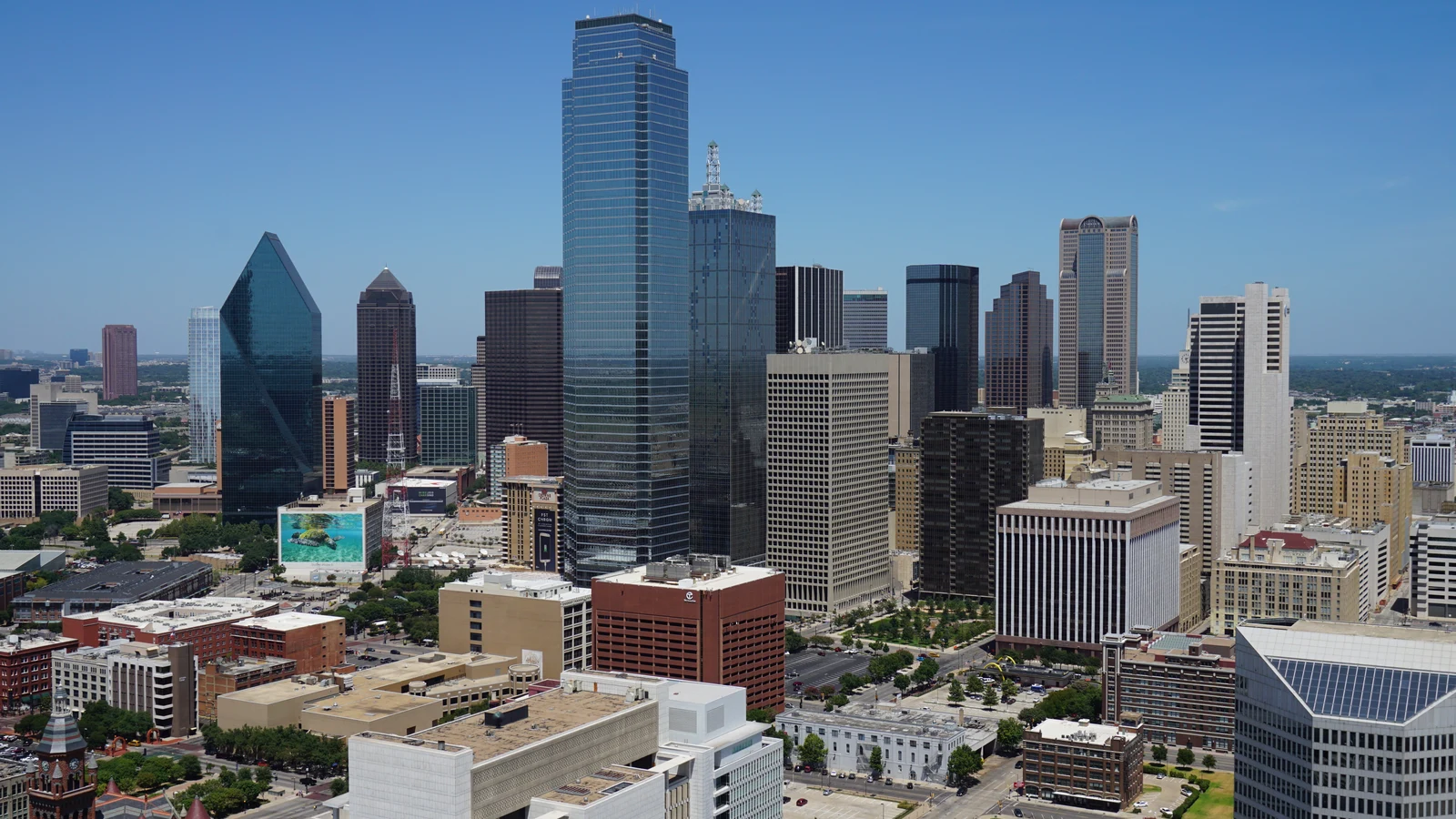
Domestic migration has shown signs of slowing down. In 2025, Texas saw an influx of 67,299 residents relocating from other states, a decrease from the 86,067 who made the move in the prior year. In 2022, the state experienced a significant influx, attracting nearly 219,000 newcomers from other parts of the United States. In Dallas and the surrounding North Texas communities, the recent slowdown in growth may provide much-needed relief following years of rapid expansion. Recent data from the Texas Demographic Center reveals that suburban counties surrounding major metropolitan areas, such as Tarrant County in North Texas, have experienced notable growth fueled by migration in recent years.
“The swift expansion is placing significant strain on the existing infrastructure,” Potter stated. According to him, communities are required to construct housing, enhance sewer and water systems, and improve transportation networks to stay in alignment with growing demands.
In the 2023-24 period, Texas experienced an influx of approximately 1,500 individuals daily, as reported in previous analyses. Potter indicated that a “slightly slower growth” rate provides cities like Dallas and its surrounding areas the opportunity to address infrastructure needs and strategically plan for future development.
Texas remains at the forefront of population growth in the United States, solidifying its status as a key player in both economic and demographic trends, despite a noticeable slowdown and changing migration patterns.


From breaking news to thought-provoking opinion pieces, our newsletter keeps you informed and engaged with what matters most. Subscribe today and join our community of readers staying ahead of the curve.
From breaking news to thought-provoking opinion pieces, our newsletter keeps you informed & engaged.