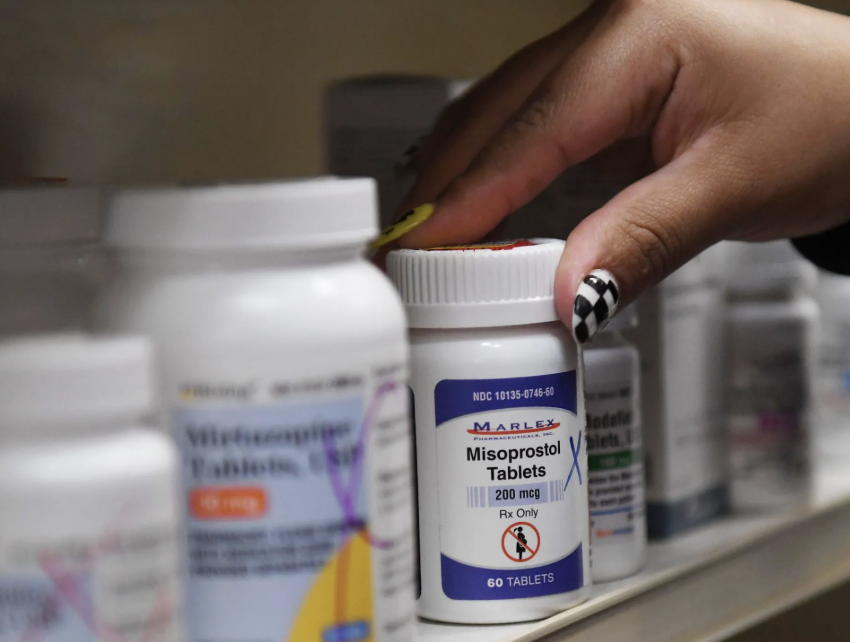
House Bill 7, which takes effect Dec. 4, allows private individuals to sue Texas health care professionals that “make abortion medications available” for $100,000 for each violation. Supporters claim the bill may apply to drug producers but not abortion recipients.
The measure, one of the most draconian restrictions on telemedicine abortions, targets the mailing of abortion pills, which has proven important for Texans seeking abortion access since Roe v. Wade. Telehealth now performs nearly one in four abortions, with half in states that restrict or criminalize abortion.
However, large telehealth practices insist HB 7 will not stop them. Three major Texas abortion doctors said they will continue prescribing and mailing abortion medicine under shield laws in places where abortion is permitted. Elisa Wells, Plan C access director, has not heard of any provider retracting. “If anything, the implementation of this law makes people more determined to help folks in Texas access abortion pills,” Wells said.
Drugmakers Danco and GenBioPro declined to comment on how the law might affect their distribution.
Anti-abortion supporters who supported the bill plan to sue after it takes effect. Texas Right to Life president John Seago said the organization is forming a network of activists and partners to pursue cases. “We are forming partnerships and assembling a team for potential lawsuits at the end of the year,” Seago stated.
Texas law will clash with shield laws in New York, Massachusetts, and California, which prohibit state officials from enforcing out-of-state abortion penalties. Such providers claim they are not liable for providing legal services in their states.
Several connected cases are ongoing. Texas Attorney General Ken Paxton sued a New York doctor for sending abortion drugs earlier this year, but New York declined to execute the Texas ruling. Attorney Jonathan Mitchell has sued telemedicine providers for wrongful death, claiming abortion kills people.
Health care professionals believe these instances, particularly one involving a California doctor named Mitchell that may alter under HB 7, might influence how forcefully Texas enforces its new law. “That will give us some information about what this will look like and how that moves through the courts,” said Massachusetts Medication Abortion Project founder Dr. Angel Foster.
Telehealth providers said they will continue treating Texas patients, including those in the Dallas-Fort Worth area. Foster added, “We’re not changing anything about our practice.” We do not anticipate any modifications to HB 7.


From breaking news to thought-provoking opinion pieces, our newsletter keeps you informed and engaged with what matters most. Subscribe today and join our community of readers staying ahead of the curve.
From breaking news to thought-provoking opinion pieces, our newsletter keeps you informed & engaged.


.png)